
Unlock the Power of Hybrid Cloud for Maximum Flexibility & Performance

Seamlessly integrate private and public cloud environments with Next2IT’s Hybrid Cloud Solutions. Achieve the perfect balance between security, scalability, and cost efficiency, whilst ensuring your business has the flexibility to adapt to evolving IT demands.

What is Hybrid Cloud?

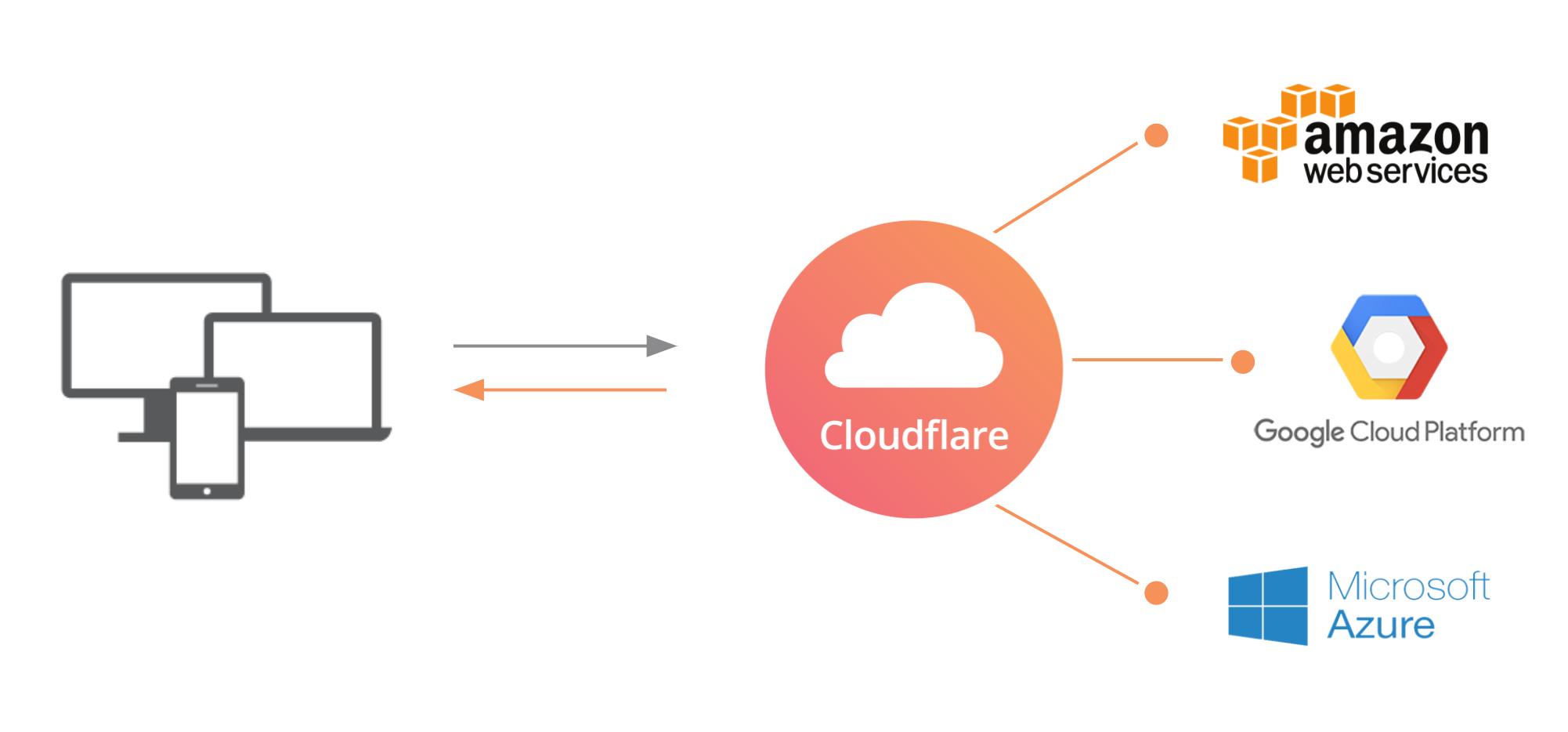
A hybrid cloud combines private cloud infrastructure with public cloud services like AWS, Azure, or Google Cloud, enabling businesses to move workloads dynamically between environments based on performance, security, compliance, and cost requirements. This architectural approach delivers enhanced flexibility, optimised resource utilisation, and cost-effectiveness by allowing organisations to leverage the best characteristics of both deployment models—retaining sensitive workloads on-premises whilst exploiting public cloud elasticity for variable demands, development environments, and scalable applications requiring rapid provisioning and global reach.

Why Choose Hybrid Cloud?

Strategic advantages delivering operational flexibility, enhanced security, and optimised costs for modern enterprises

Greater Flexibility

Run workloads across on-premise and cloud systems to improve performance, control, and efficiency based on specific requirements.

Secure & Compliant

Keep sensitive data on-premise whilst using the cloud for scalable operations, helping meet industry regulations and compliance requirements.

Cost-Effective Scalability

Optimise costs by using cloud resources for dynamic demand, whilst retaining local infrastructure for steady workloads and regulatory requirements.

Explore Our Hybrid Cloud Services

Comprehensive hybrid cloud solutions seamlessly integrating on-premises and cloud environments to enhance flexibility, security, and scalability for your digital transformation

Strategic workload migration services delivering seamless transitions between on-premises infrastructure and public cloud environments whilst maintaining data integrity, minimising downtime, and optimising costs. Our migration methodology includes comprehensive assessment identifying suitable workloads for cloud deployment, detailed migration planning defining sequencing and dependencies, pilot migrations validating approaches before full-scale rollout, automated migration tooling accelerating transitions, data validation ensuring integrity throughout migration, and performance optimisation tuning configurations for optimal cloud operation. We manage complexity coordinating network connectivity, security policies, identity integration, and application dependencies—enabling phased migrations reducing risk whilst delivering immediate value from cloud capabilities supporting business agility and innovation.

Unified management platform orchestrating workloads across multiple cloud providers including AWS, Azure, Google Cloud, and private infrastructure through a single dashboard improving control and reducing operational complexity. Our multi-cloud management delivers centralised visibility providing comprehensive insight into resources, costs, and performance across all environments, unified policy enforcement ensuring consistent security and compliance standards, automated provisioning streamlining deployment across diverse platforms, cost optimisation identifying opportunities to reduce expenditure through workload placement, performance monitoring tracking metrics across all cloud environments, and integrated governance maintaining control over distributed resources. This approach eliminates vendor lock-in, enables optimal workload placement based on capabilities and costs, and simplifies operations managing heterogeneous environments through standardised processes and tooling.

Comprehensive business continuity solutions ensuring data protection and rapid recovery through automated backup processes, failover mechanisms, and disaster recovery strategies leveraging hybrid cloud capabilities. Our solutions implement automated backup scheduling protecting critical data across on-premises and cloud environments, incremental and differential backups minimising bandwidth and storage requirements, geo-redundant storage maintaining copies across multiple locations, automated failover switching to backup systems during primary system failures, recovery point objectives (RPO) defining acceptable data loss tolerances, and recovery time objectives (RTO) establishing maximum acceptable downtime. Hybrid architecture enables cost-effective backup storage in cloud whilst maintaining rapid local recovery, with cloud-based disaster recovery providing protection against site-level failures ensuring business operations continue during infrastructure disruptions, natural disasters, or ransomware attacks.

Enterprise-grade security protecting sensitive data through advanced protocols, encryption standards, and compliance-ready solutions meeting regulatory requirements across hybrid environments. Our security framework implements data encryption protecting information in transit and at rest, identity and access management (IAM) controlling user permissions across environments, network segmentation isolating sensitive workloads, security information and event management (SIEM) providing centralised monitoring and threat detection, vulnerability management identifying and remediating security weaknesses, and compliance automation maintaining adherence to GDPR, ISO 27001, SOC 2, and industry-specific regulations. We establish consistent security policies across private and public infrastructure, implement zero-trust architectures verifying every access request, and maintain comprehensive audit trails demonstrating compliance whilst protecting against unauthorised access, data breaches, and security incidents.

Tailored hybrid cloud strategy development meeting specific business requirements through optimal resource allocation, workload placement, and architectural design. Our approach includes comprehensive requirements analysis understanding business objectives, technical constraints, and compliance needs, workload assessment evaluating applications for cloud suitability and migration priority, architecture design creating blueprints defining infrastructure components, connectivity models, and integration patterns, cost modelling projecting expenditure across deployment scenarios, capacity planning ensuring adequate resources for current and future demands, and technology selection identifying optimal platforms, services, and tools. We design architectures balancing performance, security, compliance, and cost whilst supporting business agility—creating roadmaps guiding implementation, establishing governance frameworks ensuring ongoing management, and enabling continuous optimisation as business requirements evolve.

High-performance network connectivity seamlessly integrating on-premise infrastructure with cloud services ensuring secure, reliable, high-speed communications between environments. Our connectivity solutions implement dedicated connections including AWS Direct Connect, Azure ExpressRoute, and Google Cloud Interconnect providing private network paths bypassing public internet, site-to-site VPN establishing encrypted tunnels for secure communication, SD-WAN technology optimising traffic routing and providing intelligent failover, hybrid DNS enabling name resolution across environments, load balancing distributing traffic across multiple connections, and network monitoring ensuring performance and availability. We design resilient connectivity architectures with redundant paths preventing single points of failure, implement traffic prioritisation ensuring critical applications receive adequate bandwidth, and establish security controls including firewalls and intrusion detection protecting data traversing network boundaries.

Key Features

Core capabilities making hybrid cloud a smart choice for secure, scalable, and flexible infrastructure built for modern businesses

Cost Optimisation

Use local resources for predictable workloads and shift dynamic tasks to the cloud—improving cost efficiency through optimal resource placement.

Business Continuity

Leverage hybrid redundancy and backup options to reduce downtime and ensure resilience during outages or failovers.

Scalable Architecture

Expand cloud resources as needed without overhauling existing infrastructure—ideal for flexible growth and dynamic demands.

Seamless Integration

Connect on-premise systems with public cloud services for unified operations and better resource management.

Flexible Deployments

Choose where workloads run best—in the cloud, on-premises, or both—for maximum performance and control.

Data Control

Keep sensitive or regulated data on-premises whilst leveraging the cloud for flexible compute and storage capabilities.

The Benefits of Our Hybrid Cloud Solutions

Managing hybrid environments can be complex, but with Next2IT, you get a seamless, secure, and optimised infrastructure that supports your business growth

Dynamically allocate resources based on demand, ensuring seamless performance during peak periods whilst optimising costs during quieter times. Hybrid cloud architecture enables rapid scaling of computing resources, storage capacity, and network bandwidth without capital investment in physical infrastructure. Scale applications vertically adding resources to existing systems or horizontally deploying additional instances across cloud regions. This elasticity supports business growth, seasonal demand fluctuations, and unpredictable workload variations whilst maintaining service quality. Organisations scale specific components independently, experiment with new services without overprovisioning hardware, and respond quickly to market opportunities requiring increased capacity—all whilst retaining control over critical workloads remaining on-premises for compliance, latency, or performance requirements.

Reduce operational expenses by running workloads in the most cost-effective environment based on performance requirements, compliance needs, and usage patterns. Hybrid cloud enables granular cost control maintaining predictable workloads on owned infrastructure avoiding ongoing cloud consumption charges, whilst leveraging public cloud for variable workloads with consumption-based pricing eliminating underutilised capacity. Cost optimisation strategies include workload placement analysis determining optimal hosting locations, reserved instance purchasing reducing cloud costs for steady workloads, automated scaling adjusting resources matching demand, storage tiering moving infrequently accessed data to lower-cost storage classes, and continuous monitoring identifying optimisation opportunities. This balanced approach eliminates large capital expenditure on infrastructure potentially sitting idle, reduces operational costs through automation, and provides financial flexibility adjusting spending as business needs evolve.

Minimise downtime with redundant backups and failover strategies leveraging geographic distribution and infrastructure diversity. Hybrid cloud disaster recovery maintains backup copies of critical systems and data in cloud environments, enabling rapid recovery if primary on-premises infrastructure fails due to hardware failures, natural disasters, cyber attacks, or other disruptions. Cloud-based disaster recovery eliminates costs of maintaining redundant physical infrastructure, provides geographic separation protecting against site-level disasters, and enables recovery time objectives (RTO) measured in minutes rather than hours or days. Automated failover processes detect outages and redirect traffic to backup systems maintaining business operations, whilst incremental backup strategies protect data with minimal recovery point objectives (RPO) limiting potential data loss. This resilience ensures business continuity supporting customer commitments, regulatory requirements, and organisational reputation.

Deploy applications across environments for maximum efficiency and speed based on specific performance requirements. Hybrid architecture enables workload placement optimisation running latency-sensitive applications on-premises near end users and data sources, whilst leveraging cloud infrastructure for compute-intensive workloads benefiting from vast processing capabilities. Performance optimisation includes content delivery networks (CDN) distributing content globally reducing latency, edge computing processing data near sources minimising round-trip delays, load balancing distributing traffic across resources preventing bottlenecks, and performance monitoring identifying and resolving constraints. Applications requiring high-speed access to on-premises databases run locally avoiding network latency, whilst analytics workloads process in cloud leveraging parallel processing capabilities. This flexibility ensures each workload operates in the environment best suited to its performance characteristics maximising user experience and operational efficiency.

Accelerate innovation by leveraging cloud services for development, testing, and deployment whilst maintaining production stability on-premises. Hybrid cloud enables DevOps practices with cloud environments for development and testing accelerating release cycles without impacting production systems, providing access to cutting-edge services including artificial intelligence, machine learning, analytics platforms, and containerisation technologies without capital investment, and supporting experimentation where teams trial new approaches and technologies without long-term commitments. Developers access vast computing resources for testing at scale, leverage platform-as-a-service offerings accelerating application development, and deploy globally reaching new markets rapidly. This innovation capability drives competitive advantage enabling organisations to respond quickly to market changes, deploy new services rapidly, and continuously improve offerings whilst maintaining stability and security for mission-critical production workloads.

Let’s discuss your IT goals and create a hybrid cloud strategy that works for you

Get Expert Advice

Why Choose Next2IT for Hybrid Cloud?

At Next2IT, we specialise in designing, implementing, and managing hybrid cloud solutions that seamlessly integrate on-premises and cloud environments. Our experts ensure a secure, flexible, and optimised infrastructure to support your business growth.

From initial assessment and architecture design through migration, deployment, and ongoing management, we act as an extension of your team—focused on delivering optimal workload placement, maintaining security and compliance, and enabling your organisation to leverage cloud capabilities whilst retaining control over critical infrastructure.

Custom Hybrid Cloud Solutions

We design hybrid cloud strategies tailored to your business needs, workload characteristics, and compliance requirements.

Seamless Cloud Integration

Effortlessly connect private and public cloud environments with secure, high-performance connectivity and unified management.

Expert Cloud Management

24/7 monitoring, optimisation, and proactive cloud security ensuring peak performance and protection.

Cost-Effective Deployment

Optimise workloads to reduce cloud expenses through intelligent placement and continuous cost monitoring.

Your Hybrid Cloud Questions Answered

Common questions about hybrid cloud architecture, integration, and optimising your infrastructure for business success

Hybrid cloud combines the security and control of private cloud infrastructure with the scalability and cost-efficiency of public cloud services, providing businesses with greater flexibility than either approach alone. Private cloud offers dedicated resources ensuring performance predictability and data sovereignty but requires capital investment and ongoing management overhead. Public cloud provides vast scalability, global reach, and consumption-based pricing but may raise concerns about data location, compliance, and vendor lock-in. Hybrid cloud enables organisations to leverage strengths of both models—maintaining sensitive workloads on-premises for compliance and performance whilst exploiting public cloud elasticity for variable workloads, development environments, and disaster recovery. This balanced approach optimises costs, maintains control over critical assets, and provides strategic flexibility adapting to changing business requirements.

Yes, hybrid cloud architecture enables seamless workload migration between private and public environments, allowing businesses to optimise performance, costs, and compliance based on changing requirements. Workload mobility depends on proper architecture including containerisation technologies like Docker and Kubernetes enabling portability across environments, infrastructure-as-code approaches defining resources programmatically facilitating consistent deployment, and hybrid connectivity establishing secure network paths between environments. Organisations move workloads for various reasons including cost optimisation shifting to lower-cost environments during predictable periods, performance enhancement relocating closer to users or data sources, disaster recovery activating backup systems during outages, and compliance requirements moving regulated data to appropriate jurisdictions. Migration strategies range from simple lift-and-shift approaches moving applications unchanged, to refactoring optimising for cloud-native capabilities, ensuring workloads operate optimally regardless of location.

Absolutely. Hybrid cloud security includes encryption protecting data in transit and at rest, network segmentation isolating environments, identity and access management (IAM) controlling permissions, and compliance adherence meeting regulatory requirements across all infrastructure. Security in hybrid environments requires consistent policies enforced across private and public infrastructure ensuring uniform protection levels, secure connectivity establishing encrypted channels between environments, comprehensive monitoring detecting threats across distributed systems, and regular security assessments identifying vulnerabilities. Leading security practices include zero-trust architecture verifying every access request regardless of network location, defence-in-depth strategies implementing multiple security layers, automated patch management maintaining current security updates, and incident response procedures enabling rapid remediation. Properly implemented hybrid cloud security often exceeds traditional on-premises security through access to cloud provider security expertise, advanced threat detection capabilities, and continuous security improvements whilst maintaining control over sensitive data placement and access policies.

Industries with strict regulatory requirements including finance, healthcare, and government benefit significantly from hybrid cloud, as do businesses needing scalability, disaster recovery, and operational flexibility. Financial services organisations maintain sensitive customer data and transaction systems on-premises for compliance whilst leveraging cloud for analytics, development, and customer-facing applications. Healthcare providers keep patient records in private infrastructure meeting GDPR and sector-specific regulations whilst using cloud services for research, collaboration, and administrative systems. Manufacturing companies run production control systems locally for reliability and low latency whilst exploiting cloud capabilities for supply chain management, product lifecycle management, and global collaboration. Retail organisations maintain point-of-sale systems and inventory management on-premises whilst leveraging cloud for e-commerce platforms, customer analytics, and seasonal capacity scaling. Government agencies retain classified or sensitive information in controlled environments whilst using public cloud for citizen services, data analytics, and non-sensitive applications—demonstrating hybrid cloud’s value across sectors requiring balance between control and agility.

Getting started with hybrid cloud involves comprehensive assessment of current infrastructure, workload analysis identifying cloud candidates, architecture design defining integration patterns, and phased migration minimising risk whilst delivering value. Begin with discovery documenting existing applications, infrastructure, dependencies, and business requirements establishing baseline understanding. Conduct workload assessment evaluating applications for cloud suitability considering factors including regulatory requirements, performance characteristics, integration complexity, and total cost of ownership. Develop hybrid cloud strategy defining target architecture, connectivity requirements, security policies, and migration sequencing. Implement pilot projects validating approaches with low-risk workloads, establishing operational procedures, and demonstrating value before broader deployment. Gradually migrate additional workloads based on lessons learned, business priorities, and technical dependencies. Throughout this journey, partner with experienced providers like Next2IT offering expertise in assessment, architecture design, implementation, and ongoing management—accelerating deployment whilst avoiding common pitfalls and ensuring optimal outcomes.

Still have questions? Our team is here to help

Speak to an Expert

Our Proven 3- Step Process

Our goal is simple: to make IT work for you — securely, strategically, and without the complexity. From everyday support to long-term transformation, we’ve got you covered.

Consult & Assess

Understanding your IT Goals

We take time to understand your current systems, pain points, and objectives. Through strategic consultation and in-depth assessments, we identify opportunities to improve performance, reduce risk, and align IT with your business goals.

There’s no one-size-fits-all — only what’s right for you.

Implement & Optimise

Smart Solutions, Seamlessly Delivered

Once we’ve defined the right strategy, our team delivers secure, scalable solutions that improve efficiency and enable growth. From new infrastructure to upgraded services, we ensure everything runs smoothly with minimal disruption.

Smart, secure, and scalable IT – built for the future.

Monitor & Support

Ongoing Protection, Guidance, and Peace of Mind

We don’t just set things up and walk away — we stay with you. Our team provides continuous monitoring, regular maintenance, and rapid support to keep your systems secure, optimised, and running smoothly. You’ll always have expert help when you need it.

Dependable IT, backed by people who care.

Free 30 Minute Consultation With a Next2IT Expert

Whether you’re scaling up, modernising legacy systems, or just need clarity on your current setup — book a complimentary 30-minute 1:1 session with one of our infrastructure specialists.

No jargon. No obligation. Just expert advice to help you move forward.

Book Your Free Session →